
Could hotter summers change what you look for in your next home?
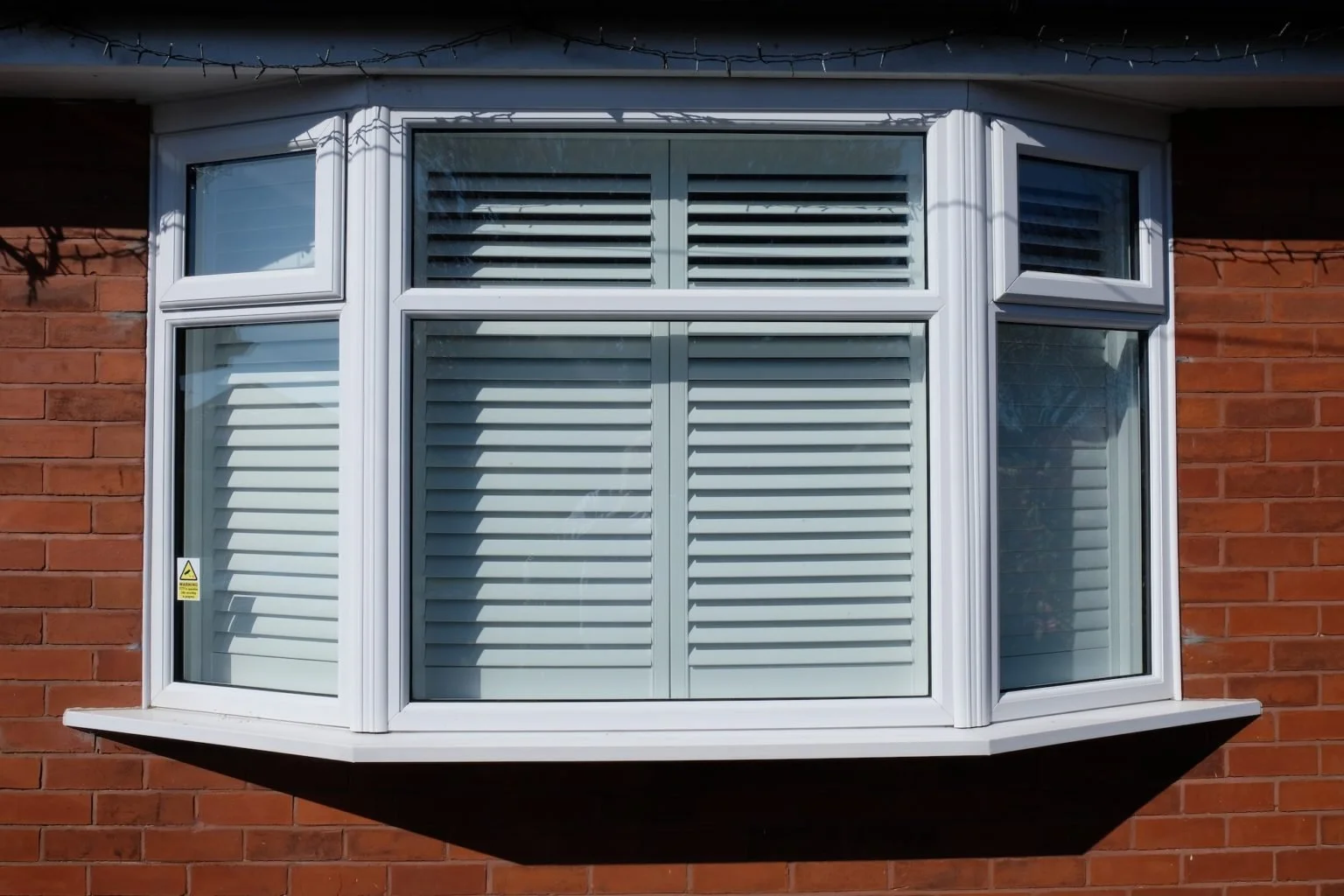
Britain’s latest heatwave has left many households struggling with sleepless nights, overheated bedrooms and homes that take hours to cool down. As periods of extreme heat become a more important consideration, buyers may need to think differently about what makes a property comfortable, efficient and affordable.
For generations, British homes have been designed primarily around one challenge: keeping warm.
Buyers routinely look for double glazing, insulation, efficient heating and a strong Energy Performance Certificate rating. These features remain important, particularly when winter energy bills can place significant pressure on household finances.
But the latest heatwave has exposed the other side of the problem.
A home that retains heat efficiently during winter may still become uncomfortable in summer if it has large unshaded windows, limited ventilation or bedrooms directly beneath the roof[1].
For buyers searching for their next home, summer comfort is becoming harder to ignore.
A bright, sun-filled room may look attractive during a viewing, but it could become difficult to sleep, work or relax in when temperatures rise.
The heatwave questions buyers should ask
A short property viewing rarely reveals how a home performs during a prolonged hot spell.
A room may feel pleasantly warm in spring or autumn, yet become stifling during July. A top-floor bedroom may retain heat long after sunset, while a glass extension may be too hot to use for parts of the summer.
Before making an offer, buyers should ask:
Does the property become uncomfortably hot during warm weather?
Which rooms are most affected?
Does the home cool down overnight?
Are fans or air-conditioning units regularly needed?
Can windows be opened safely when temperatures fall?
Is there effective shading on the sunniest windows?
Have the current owners made any changes to reduce overheating?
The seller’s answers will not replace an independent assessment, but they may reveal a problem that is difficult to spot during a brief visit.
Five signs your next home may struggle in hot weather
1. Large windows with little shade
Large windows can fill a home with natural light, but they can also allow substantial amounts of solar heat into the property.
East-facing rooms may warm quickly in the morning, while south and west-facing rooms can receive strong sunlight for long periods later in the day.
Conservatories, roof lights, glass extensions and floor-to-ceiling windows can be particularly vulnerable.
Look for features that limit direct sunlight, such as:
external shutters;
awnings;
roof overhangs;
suitable blinds;
nearby trees; and
solar-control glazing.
Double and triple glazing can help reduce winter heat loss, but they do not automatically prevent a room from overheating in summer.
2. Bedrooms directly beneath the roof
Top-floor flats and loft conversions can become some of the hottest parts of a building.
The roof absorbs heat throughout the day, which can leave bedrooms uncomfortably warm long after outdoor temperatures have started to fall.
This can be particularly disruptive at night, when a room that cannot cool down may affect sleep.
Ask whether fans or portable air-conditioning units are used regularly and whether the windows can be opened safely overnight.
The presence of cooling equipment is not necessarily a concern. It may, however, indicate that the room is difficult to keep comfortable without additional electricity use.
3. Windows on only one side of the property
Homes are often easier to cool when air can move through them.
Windows on opposite sides of a property can create cross-ventilation once the temperature outdoors becomes cooler than the temperature inside.
This may be more difficult in flats with windows on only one side, internal bathrooms or rooms facing busy roads where noise and pollution make it impractical to leave windows open.
Check:
which windows open;
how widely they open;
whether there are trickle vents;
whether extractor fans work;
whether air can move between rooms; and
whether any mechanical ventilation system has been maintained.
Opening windows during the hottest part of the day may allow more warm air inside. Ventilation is often more effective later in the day or overnight, once outdoor temperatures have fallen.
4. A heavily glazed extension
Glass extensions and conservatories can look impressive during a viewing.
However, they may become extremely hot during a heatwave and difficult to keep warm during winter unless they have been designed with appropriate glazing, shading, ventilation and insulation.
Buyers should consider whether the space can realistically be used throughout the year.
Ask whether blinds, roof vents, fans or cooling equipment are needed during summer and how expensive the room is to heat during colder months.
A room that is uncomfortable for several months of the year may offer less usable living space than the floor plan suggests.
5. No practical way to install cooling or shading
Some homes can be adapted relatively easily. Others may be more complicated.
Leaseholders may need permission from the freeholder or managing agent before fitting external shutters, awnings, air-conditioning equipment or a heat pump.
Planning, noise and building requirements may also apply, depending on the property and its location.
Before buying a property that appears prone to overheating, consider whether improvements would be permitted, practical and affordable.
Is insulation part of the problem?
Insulation should not be blamed for overheating by itself.
Properly installed insulation slows the movement of heat through a building. It helps retain warmth during winter and can delay external heat entering during summer.
The problem arises when heat enters a property but cannot escape easily.
A well-insulated and airtight home still needs suitable shading, glazing and ventilation. Without them, heat from sunlight, cooking, appliances and occupants can build up indoors.
The goal is not simply to create a home that holds heat. It is to create one that manages heat effectively throughout the year.
Could air conditioning become more common?
Air conditioning has traditionally been viewed as a luxury in British homes.
Repeated heatwaves may change that perception, particularly for top-floor flats, loft conversions, home offices and heavily glazed properties.
Portable air-conditioning units can cool individual rooms, but they may be noisy, take up floor space and require a hose to vent hot air outside.
Fixed systems may be more effective, although installation can be costly and may require an external unit.
Air conditioning also increases electricity use, so buyers should consider the running cost as well as the purchase price.
It may be more sensible to reduce the amount of heat entering the property first through shading, suitable glazing and improved ventilation, then consider mechanical cooling if those measures are not enough.
Can a heat pump cool the home?
It depends on the type of system.
Most air-to-water heat pumps installed in UK homes provide space heating and hot water. They should not automatically be assumed to provide room cooling[2].
Air-to-air heat pumps distribute heated or cooled air through indoor units and can provide warmth in winter and cooling in summer.
They do not normally produce domestic hot water, so another system is usually needed.
Buyers considering a property with a heat pump should ask:
what type of system is installed;
whether it provides cooling;
when it was last serviced;
whether warranties remain in place; and
what the typical running costs have been.
Do not rely on the EPC alone
An Energy Performance Certificate can provide useful information about a property’s estimated energy efficiency and possible improvements.
However, it does not tell buyers everything about how the home will feel during a heatwave[3].
It may not reveal that a west-facing bedroom becomes extremely hot in the evening, that traffic noise prevents windows being opened or that a glass extension is uncomfortable during summer.
A good EPC rating should therefore be treated as one part of the assessment, not a guarantee of year-round comfort.
What can a survey tell you?
A mortgage valuation is carried out primarily for the lender. It is not a detailed inspection of the property’s condition[4].
Depending on the type and scope of the survey, a buyer’s survey may identify visible problems affecting the roof, windows, damp and ventilation. It may also recommend further investigation by a heating, ventilation or energy specialist.
A standard survey may not assess how hot the property becomes during summer or test the performance of heating and ventilation systems.
Buyers who are concerned about overheating should raise the issue with the surveyor before the inspection.
Building standards and regulations differ across England, Scotland, Wales and Northern Ireland. Buyers considering a newbuild or recently altered property should check which requirements applied when the work was completed and seek local professional advice where appropriate.
What could it cost to make a hot home more comfortable?
The cost will depend on the property and the scale of the problem.
Potential improvements may include:
suitable blinds or curtains;
external shutters or awnings;
ceiling fans;
improved roof insulation;
upgraded ventilation;
solar-control glazing;
an air-to-air heat pump; or
fixed air conditioning.
Some measures may be relatively straightforward. Others may require specialist installation, professional advice or permission from a freeholder or local authority.
Buyers should obtain appropriate quotations rather than assuming the work will be inexpensive.
Why this matters to your mortgage budget
The latest heatwave is a reminder that the purchase price and mortgage repayment are not the only costs involved in owning a home.
A property that is difficult to keep cool could require immediate spending on shading, ventilation or cooling equipment. It may also lead to higher electricity use during future hot spells.
Buyers who borrow to the maximum available amount may have less financial room to deal with these costs after completion.
A lender’s affordability assessment determines how much it may be prepared to lend. It does not calculate how much a household should borrow after allowing for repairs, maintenance, energy costs and improvements.
This is where early mortgage planning can help.
A broker can explain how different loan amounts, deposits and mortgage terms may affect the monthly repayment. This can help buyers decide how much they are comfortable borrowing while retaining funds for the property itself.
The broker’s view
Hotter summers could change the way buyers assess their next home.
Natural light, large windows and loft rooms may be attractive, but buyers should also consider whether those features could make the property difficult or expensive to keep comfortable during a heatwave.
Before making an offer, look beyond the photographs, floor plan and EPC rating.
Ask how the home performs in hot weather, check whether it can be ventilated and shaded effectively, and consider the cost of any improvements that may be needed.
The amount a lender is prepared to offer is not necessarily the amount you should borrow.
Leaving room in the budget for maintenance, adaptation and unexpected costs can be just as important as securing a competitive mortgage.
Your home/property may be repossessed if you do not keep up repayments on a mortgage or other debt secured on it.
There may be a fee for mortgage advice. The precise amount of the fee will depend on your circumstances.
Think carefully before securing other debts against your home/property.
The FCA does not regulate some forms of Buy to Lets.
All the information in this article is correct as of the publish date 30th July 2026. The opinions expressed in this publication are those of the authors. The information provided in this article, including text, graphics and images does not, and is not intended to, substitute advice; instead, all information, content, and materials available in this article are for general informational purposes only. Information in this article may not constitute the most up-to-date legal or other information.
Please be aware that by clicking on to any of the above links you are leaving our website. Please note that neither we nor HL Partnership Limited are responsible for the accuracy of the information contained within the linked site(s) accessible from this page.
References:
Ministry of Housing, Communities and Local Government. (2021) Approved Document O: Overheating. [online] GOV.UK. Available at: https://assets.publishing.service.gov.uk/media/6218c5aad3bf7f4f0b29b624/ADO.pdf[Accessed 28 July 2026].
Energy Saving Trust. (2020). Air source heat pumps: costs, savings and benefits – Energy Saving Trust. [online] Available at: https://energysavingtrust.org.uk/advice/air-source-heat-pumps/ [Accessed 28 July 2026].
Ministry of Housing, Communities and Local Government (2021). A guide to Energy Performance Certificates for the marketing, sale and let of dwellings. [online] GOV.UK. Available at: https://www.gov.uk/government/publications/energy-performance-certificates-for-the-construction-sale-and-let-of-dwellings/a-guide-to-energy-performance-certificates-for-the-marketing-sale-and-let-of-dwellings [Accessed 28 July 2026].
Rics.org. (2021). House surveys: The costs, types and benefits of one | RICS. [online] Available at: https://www.rics.org/consumer-guides/house-surveys-uk-the-costs-types-and-benefits-of-an-rics-home-survey [Accessed 28 July 2026].